Metal, Tile or Shingle: Which Roof Fits Tampa Bay?
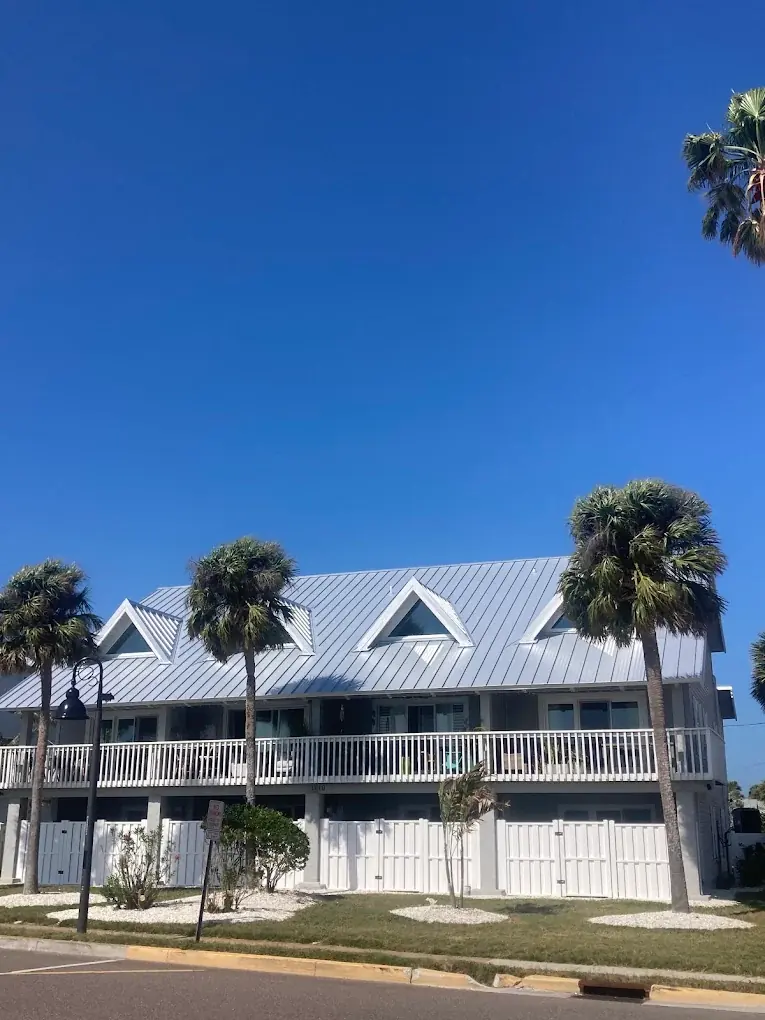
If you are replacing a roof in the Tampa Bay area, the first big decision is the roofing material. Metal, tile, and shingle all do well here when they are installed right, but each one suits a different budget, home, and plan for the future.
This guide compares the three on the things that matter most in our climate: how they handle sun, storms, and salt air, how long they last, what they ask of your home’s structure, and what they look like on the house. At the end you will find a short checklist to help you decide.
What every roof in Tampa Bay has to handle
Before comparing roofing materials, it helps to be clear about the conditions any roof here faces.
- Heat and strong sun for much of the year, which ages roofing materials and drives up cooling costs.
- Heavy summer rain that tests every seal and flashing joint.
- Hurricane season, which runs from June 1 to November 30 according to NOAA’s National Hurricane Center, bringing high winds and wind-driven rain.
- Salt air near the Gulf and the bay, which is hard on fasteners and metal parts that are not built for it.
Every new roof in Florida also has to meet the Florida Building Code, including its wind requirements, and the products used must have Florida Product Approval or a local approval. A licensed roofer pulls the permit and builds to that code whatever material you choose, so the real question is which material fits your home and goals best.
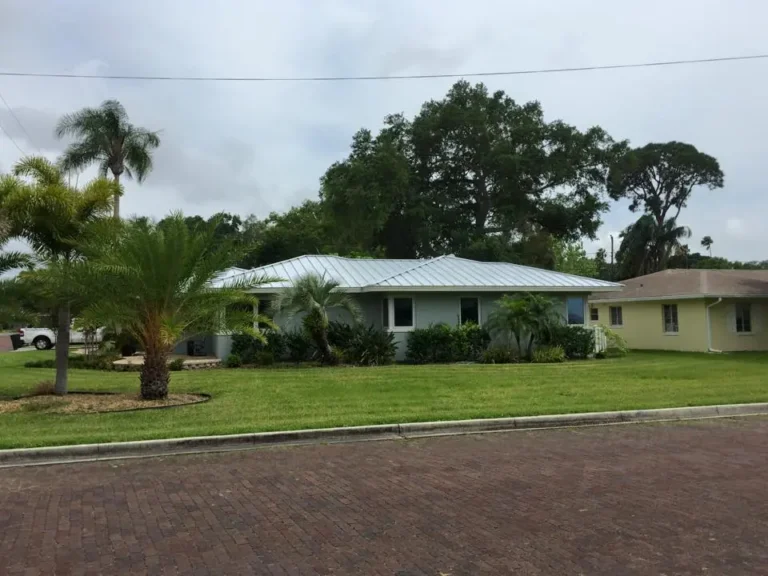
Metal roofing
Metal has become one of the most popular choices for Florida homes, and for good reason.
Why homeowners choose it
- Durability. A quality metal roof can protect your home for decades and often outlasts other roofing materials.
- Heat. Metal reflects much of the sun’s heat instead of absorbing it, which can help keep your home cooler and ease the load on your air conditioning. The U.S. Department of Energy notes that reflective “cool roof” surfaces can lower roof temperatures and cooling demand.
- Coastal conditions. Metal stands up well to heat, heavy rain, and coastal weather when the right panels and fasteners are used.
- Looks. Many homeowners simply like how a metal roof looks, from classic standing seam to more traditional profiles.
Things to know
- Metal usually costs more up front than shingles. Many owners see that as a trade for a longer life and lower upkeep.
- Rain noise is a common worry, but a metal roof installed correctly over proper decking and underlayment is no louder than other roof types.
- Near the water, details matter. Ask your roofer which panels, coatings, and fasteners they use for salt air.
At Hendrick Roofing we buy our metal in bulk and cut every panel ourselves to fit the home. Learn more on our metal roofing page.
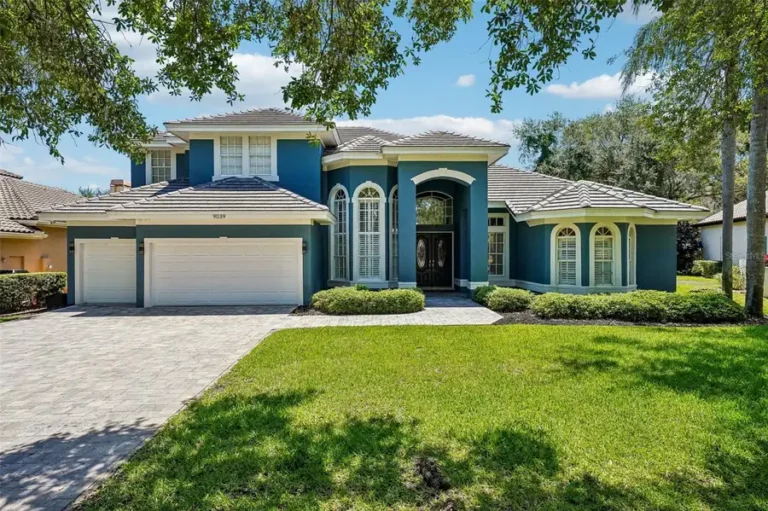
Tile roofing
Clay and concrete tile are part of the look of Florida, especially on Mediterranean and Spanish-style homes.
Why homeowners choose it
- Longevity. Tile is one of the most durable roofing materials available and can protect a home for decades when properly installed and maintained.
- Heat. The shape of the tile lets air move underneath it, which helps reduce heat transfer into the home.
- Appearance. Few materials match tile’s upscale, distinctive look, and it comes in a wide range of colors and profiles in both clay and concrete.
Things to know
- Weight. Tile is much heavier than metal or shingles, so the roof structure has to support it. If you are switching to tile from a lighter material, your roofer should check the structure first.
- Cost. Tile usually sits at the higher end of the price range.
- Walking on it. Individual tiles can crack if they are stepped on the wrong way, so repairs and inspections are best left to experienced crews.
We work with tile from manufacturers such as SantaFe, Verea, and Eagle. See our tile roofing page for more.
Shingle roofing
Asphalt shingles are the most common roof in the country, and they remain a solid choice in Florida.
Why homeowners choose it
- Value. Shingles are one of the most affordable and versatile options, offering solid protection at a friendly price.
- Choice. They come in a wide range of colors and styles, so it is easy to match the look of your home.
- Weather. Quality shingles are built to resist sun, heat, and heavy rain when they are installed properly.
Things to know
- Shingles generally have the shortest service life of the three materials. Most asphalt shingle roofs in Florida last around 15 to 20 years.
- Installation quality matters more than anything. Correct nailing and sealing are what keep shingles on during a storm.
- Granules in your gutters are a normal sign of aging, and a sign it may be time for an inspection.
We install shingle systems from manufacturers like Owens Corning. Read more on our shingle roofing page.
Side-by-side comparison
| Metal | Tile | Shingle | |
|---|---|---|---|
| Typical lifespan | Long, often 40 years or more | Long, often 40 years or more | Shorter, around 15 to 20 years in Florida |
| Up-front cost | Higher | Higher | Lowest |
| Weight | Light | Heavy; structure must support it | Light |
| Heat | Reflects much of the sun’s heat | Air flow under tiles reduces heat transfer | Depends on color and ventilation |
| Look | Clean, modern or classic profiles | Distinctive Florida and Mediterranean style | Widest choice of colors and styles |
| Best fit | Long-term owners, coastal homes | Homes built for tile, style-led choices | Budget-minded projects, shorter ownership |
Lifespans are general ranges for each roofing material. The real life of any roof depends on installation quality, ventilation, maintenance, and the weather it sees.
How to choose: five questions to ask yourself
1. How long will you stay in the home?
If you plan to stay for many years, the longer life of metal or tile can make the higher price worth it. If you expect to sell sooner, shingles often give you the best value for your money.
2. What is your budget today?
Shingles cost the least up front. Metal and tile cost more but may need replacing less often. A free estimate with prices for more than one material makes this comparison much easier.
3. Can your home carry the weight?
If your home was built for tile, tile is a natural choice. If it was not, a roofer needs to confirm the structure can carry it before you commit.
4. How close are you to the water?
Salt air is hard on metal parts that are not made for it. Near the coast, ask about corrosion-resistant panels, coatings, and fasteners, whatever the main material is.
5. What does your HOA allow?
Many Tampa Bay communities have rules about roof materials and colors. Check yours before you fall in love with a look.
Insurance and your choice of roof
Whatever you choose, a new roof built to the current Florida Building Code can help with insurance. Florida law requires insurers to offer discounts or credits for wind-resistant features, which are documented on the state’s Uniform Mitigation Verification Inspection Form (OIR-B1-1802). After your new roof goes on, ask your agent whether a wind mitigation inspection could lower your premium.
Get a recommendation for your home
There is no single best roof for every house in Tampa Bay. During a free estimate we help you weigh the look, budget, and performance of each option so you choose the right roof for your home. If your current roof is near the end of its life, our roof replacement page explains what to expect.
Hendrick Roofing is a family-owned roofer based in Largo, with more than 50 years in the business and over 10,000 projects completed. We are licensed in Florida (CCC-1326123), rated 4.7 from 82 Google reviews, and our metal roofs come with a 25-year manufacturer warranty on the panels. If you live in Clearwater or nearby, see our Clearwater roof replacement page.
Call us at (727) 531-1025 or request a free estimate online.